
Understanding the Shift From PCOS to PMOS: What Women Need to Know

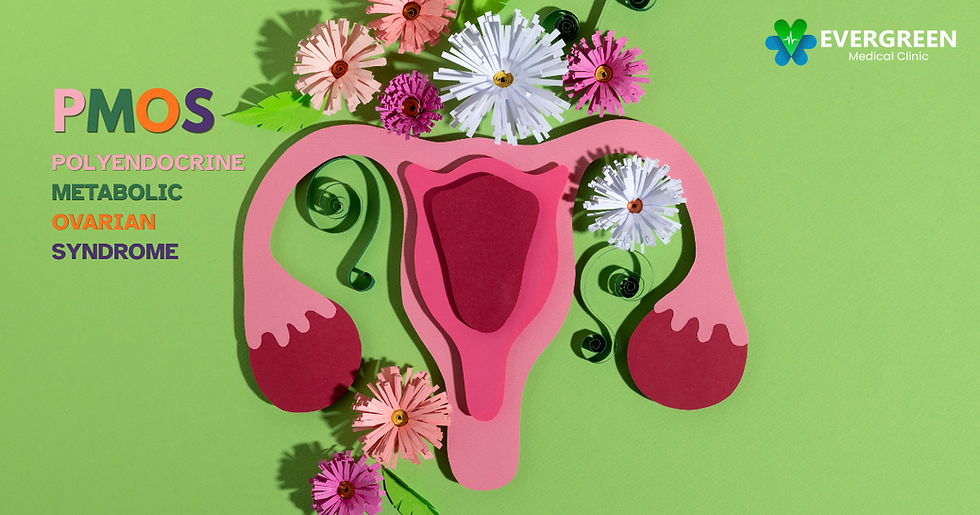
For many years, Polycystic Ovary Syndrome (PCOS) has been one of the most commonly diagnosed hormonal conditions affecting women worldwide. However, in recent years, medical experts and researchers have started discussing a broader term known as Polyendocrine Metabolic Ovarian Syndrome (PMOS).
This proposed terminology reflects a growing understanding that PCOS is not just an ovarian condition — it also involves hormonal imbalance, metabolism, insulin resistance, weight management, and long-term health risks.
We frequently see women in Malaysia struggling with symptoms such as irregular periods, acne, weight gain, hair loss, excessive facial hair, difficulty conceiving, and insulin resistance — all of which may be linked to PCOS or the broader PMOS concept.
Why Is There Discussion About Changing PCOS to PMOS?
The term “PCOS” mainly focuses on ovarian cysts. However, not all women with PCOS actually have ovarian cysts, and many experience symptoms affecting multiple hormone systems throughout the body.
The proposed term “PMOS” highlights:
Hormonal imbalance involving multiple endocrine organs
Metabolic dysfunction such as insulin resistance
Increased risks of obesity, diabetes, and cardiovascular disease
Ovarian dysfunction as part of a larger systemic condition
This evolving understanding encourages a more holistic approach to women’s health.
What PMOS Reflects
Polyendocrine: Involvement of several hormone-producing glands, including the ovaries, adrenal glands, and pancreas.
Metabolic: Links to insulin resistance, obesity, and increased risk of type 2 diabetes.
Ovarian Syndrome: The ovarian dysfunction remains central but is part of a broader hormonal and metabolic imbalance.
This terminology better captures the full spectrum of symptoms and risks associated with the condition.
Impact on Diagnosis

The shift to PMOS encourages healthcare providers to look beyond ovarian cysts and consider a wider range of symptoms and tests. Diagnosis now involves:
Comprehensive hormone panels that assess adrenal, ovarian, and pancreatic hormones.
Metabolic screening for insulin resistance, blood sugar levels, and lipid profiles.
Clinical evaluation of symptoms such as irregular periods, excessive hair growth, acne, weight gain, and mood changes.
Dr. Emily Carter, an endocrinologist specializing in women’s health, explains:
"By adopting PMOS, we can diagnose patients earlier and more accurately by recognizing the interconnected hormonal and metabolic factors. This leads to more personalized treatment plans."
Common Symptoms of PCOS / PMOS
Women with PMOS may experience:
Irregular or missed menstrual cycles
Acne or oily skin
Weight gain or difficulty losing weight
Excess facial or body hair
Hair thinning or hair loss
Difficulty conceiving
Fatigue and mood changes
Darkening of skin folds (acanthosis nigricans)
Insulin resistance
Symptoms can vary greatly between individuals, which is why proper medical evaluation is important.
When Should You See a Doctor?
You should consider a medical evaluation if you experience:
Irregular periods
Persistent acne
Sudden weight gain
Excessive hair growth
Difficulty getting pregnant
Family history of diabetes or hormonal disorders
Early assessment can help prevent complications and improve long-term health outcomes.
How PCOS Is Diagnosed in Malaysia
Diagnosis usually involves a combination of:
Medical history review
Physical examination
Hormonal blood tests
Blood sugar and insulin testing
Cholesterol screening
Ultrasound examination (when indicated)
Our doctors take a personalized approach to hormonal and metabolic health assessments to better understand each patient’s condition.
What Recent Research Reveals
Emerging research supports the PMOS framework:
Studies show that insulin resistance is present in up to 70% of women with PCOS symptoms, underscoring the metabolic component.
Research into adrenal hormone involvement reveals that many patients have elevated androgen levels from multiple sources, not just the ovaries.
Genetic studies suggest that PMOS may have a hereditary component affecting multiple endocrine pathways.
These findings reinforce the need for a diagnosis and treatment approach that considers the whole endocrine-metabolic system.
What This Means for You
If you or someone you know has been diagnosed with PCOS or experiences related symptoms, understanding the shift to PMOS can:
Help you ask your healthcare provider about comprehensive testing.
Encourage you to consider treatments that address metabolic health alongside reproductive health.
Empower you to take a proactive role in managing your condition with lifestyle changes and medical support.
Summary
The growing discussion around PMOS highlights an important shift in how doctors and researchers understand PCOS — not simply as an ovarian disorder, but as a broader hormonal and metabolic condition affecting overall health.
Understanding these changes can help women seek earlier diagnosis, better treatment, and more comprehensive long-term care.
If you are experiencing symptoms of hormonal imbalance or would like a professional women’s health assessment, the team at Evergreen Medical Clinic is here to help.

Online Book Now: https://booky.my/evergreenmedicalclinic
Get in Touch With Us
Contact Us: +6018-9698786
Address: Ground Floor, 15, Jalan 19/29, Seksyen 19, Petaling Jaya, Selangor, Malaysia


Comments