
How to Check Your Blood Sugar at Home: A Simple Guide to Home Glucose Monitoring
- EvergreenMedicalClinic

- Jul 14
- 5 min read

Monitoring your blood sugar at home can be a valuable way to understand how your body responds to food, exercise, medication, stress, and daily activities. Whether you have diabetes, prediabetes, or simply want to keep track of your health, home glucose monitoring provides useful information that can support conversations with your healthcare provider.
However, a single blood sugar reading does not diagnose diabetes or rule it out. It should always be interpreted in the context of your overall health and, when appropriate, confirmed with medical evaluation and laboratory testing such as HbA1c.
What Is Home Blood Glucose Monitoring?
Home blood glucose monitoring involves using a portable glucose meter (glucometer) to measure the amount of glucose in a small drop of blood, usually obtained from your fingertip.
Results are available within seconds and can help you:
Monitor diabetes management
Detect unusually high or low blood sugar levels
Understand how meals affect your glucose
Assess the impact of exercise or medications
Track trends over time
Who Should Consider Home Monitoring?
Home glucose monitoring may be helpful for:
People with Type 1 or Type 2 diabetes
Individuals with prediabetes who have been advised by their doctor to monitor glucose
Pregnant women with gestational diabetes (under medical guidance)
People starting new diabetes medications
Individuals experiencing symptoms suggestive of abnormal blood sugar
If you are healthy and have no risk factors, routine home testing may not be necessary. Discuss your individual needs with our healthcare provider.
What You'll Need
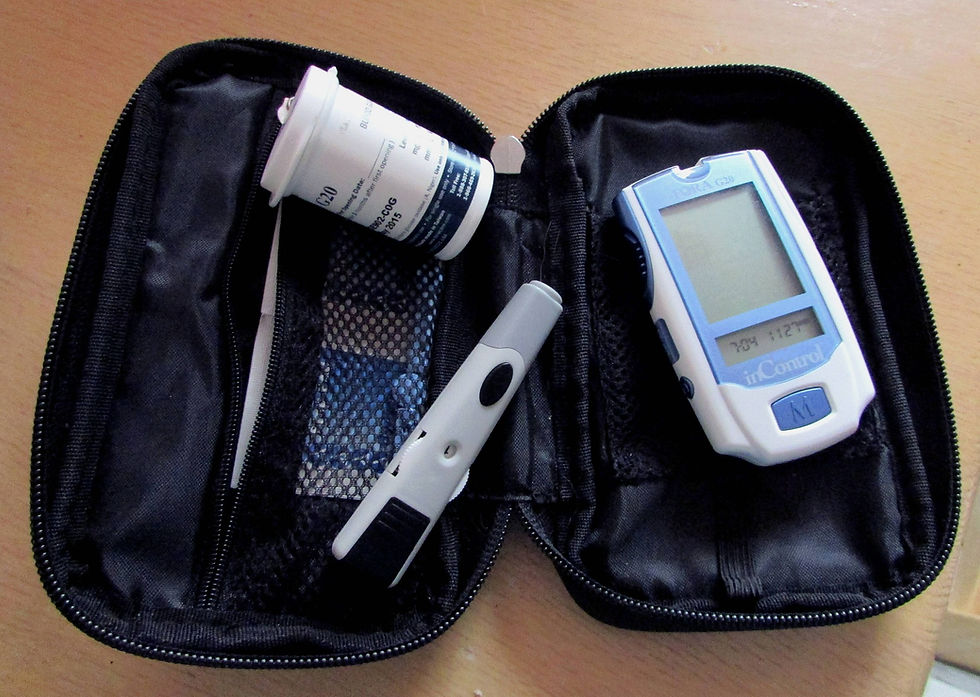
To check your blood sugar at home, you'll typically need:
A glucose meter (glucometer)
Compatible test strips
A lancing device
Sterile lancets
Soap and water or an alcohol swab
A logbook or smartphone app to record results
Always check that your test strips are compatible with your meter and have not expired.
Step-by-Step: How to Check Your Blood Sugar

Step 1: Wash Your Hands
Wash your hands with soap and warm water, then dry them thoroughly. Clean hands help reduce the risk of inaccurate readings caused by food residue or contaminants.
Step 2: Prepare the Meter
Insert a new test strip into the glucose meter according to the manufacturer's instructions.
Step 3: Prepare the Lancet
Load a fresh lancet into the lancing device and adjust the depth if needed.

Step 4: Prick the Side of Your Fingertip
Use the side of your fingertip rather than the centre, as this is often less painful.

Step 5: Apply Blood to the Test Strip
Gently squeeze if necessary and place the blood drop onto the designated area of the strip.
Step 6: Wait for the Reading
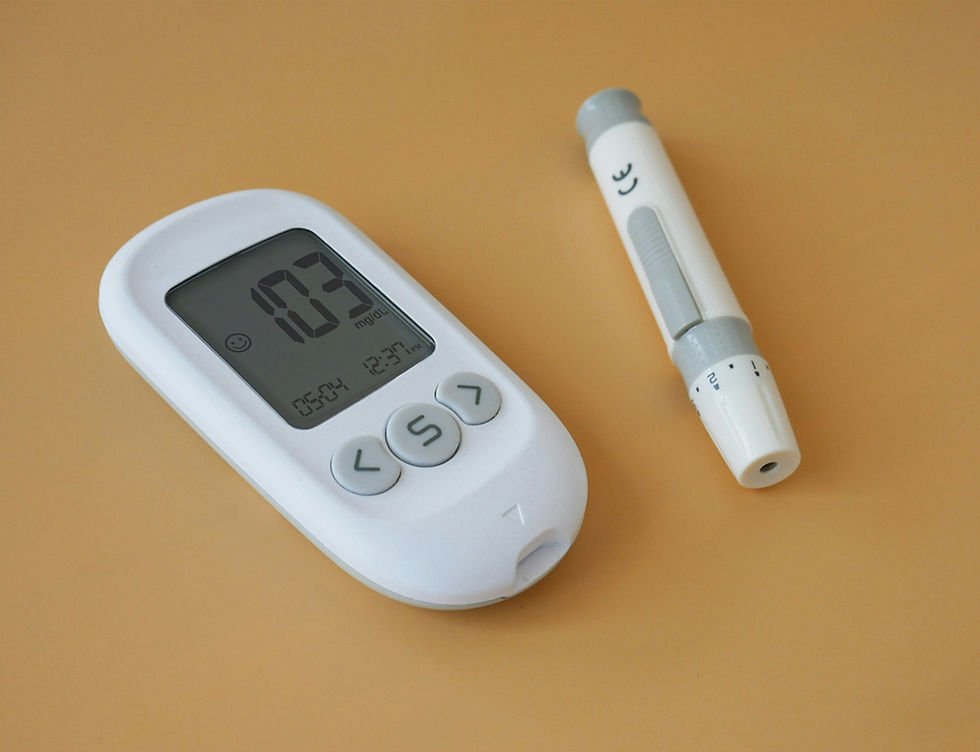
Most meters display your blood glucose result within a few seconds.

Step 7: Record the Result
Note the value along with the date, time, whether you were fasting or had eaten, and any relevant details such as exercise or illness.
How to Read Your Blood Sugar Results
Blood glucose is commonly reported in mmol/L in Malaysia.
For many adults without diabetes, typical reference ranges are:
Timing | Typical Range |
Fasting (after at least 8 hours without food) | Approximately 3.9–5.5 mmol/L |
Two hours after a meal | Usually below 7.8 mmol/L |
For individuals with diabetes, target ranges may differ depending on age, medications, pregnancy, and other medical conditions. Always follow your healthcare provider's recommendations.
What Should You Look Out For?
Consistently High Readings
Repeated elevated readings may suggest poor blood sugar control or undiagnosed diabetes and should prompt medical review.
Very Low Readings
Low blood sugar (hypoglycaemia) can cause symptoms such as sweating, shaking, confusion, dizziness, or palpitations and requires prompt attention, especially in people taking insulin or certain diabetes medications.
Patterns Rather Than Single Numbers
One abnormal result does not necessarily indicate a problem. Looking at trends over days or weeks provides more meaningful information than focusing on an isolated reading.
Symptoms That Don't Match the Reading
If your symptoms are severe or inconsistent with your meter result, repeat the test and seek medical advice if concerns persist.
When Should You Test?
The best timing depends on your situation.
Common testing times include:
Before breakfast (fasting)
Before meals
Two hours after meals
Before bedtime
When experiencing symptoms of low or high blood sugar
Before and after exercise (if recommended)
Not everyone needs to test at all of these times. Your doctor can advise on the most appropriate schedule.
How Often Should You Check Your Blood Sugar?
There is no single schedule that suits everyone.
People Without Diabetes
Routine daily home testing is generally unnecessary unless advised by a healthcare professional.
People With Prediabetes
Some individuals may monitor occasionally to better understand how lifestyle changes affect blood sugar, but many rely primarily on periodic laboratory tests such as HbA1c.
People With Type 2 Diabetes
The frequency depends on treatment. Those taking insulin may require more frequent testing, while others managed with lifestyle measures or certain medications may test less often based on medical advice.
People With Type 1 Diabetes
Frequent glucose monitoring is usually necessary and should follow the treatment plan recommended by the diabetes care team.
Tips for Accurate Results
Wash and dry your hands before testing.
Use a new lancet each time where possible.
Store strips according to the manufacturer's instructions.
Avoid using expired test strips.
Ensure your meter is functioning correctly.
Record results consistently for review during clinic visits.
Common Mistakes to Avoid
Testing with unwashed hands
Squeezing the finger excessively
Reusing damaged or contaminated test strips
Ignoring repeated abnormal readings
Adjusting medications without consulting a healthcare professional
Does Home Testing Replace HbA1c?
No.
A home glucose meter measures your blood sugar at a single point in time, whereas an HbA1c test reflects your average blood sugar over the previous two to three months.
These tests complement each other and provide different but equally important information.
When Should You See a Doctor?
Arrange a medical review if:
Your fasting blood sugar is repeatedly higher than expected.
You experience symptoms such as excessive thirst, frequent urination, unexplained weight loss, blurred vision, or persistent fatigue.
You have repeated episodes of low blood sugar.
Your readings vary significantly without a clear explanation.
You have concerns about your diabetes management.
Early assessment can help identify underlying problems and guide appropriate treatment.
Final Thoughts
Home glucose monitoring is a useful tool for many people, but it works best when combined with healthy lifestyle habits, regular medical reviews, and laboratory testing when indicated.
If you are unsure how to interpret your readings or whether you should be monitoring your blood sugar at home, speak with your healthcare provider for personalised advice.
Book a Diabetes Screening
At Evergreen Medical Clinic, we provide comprehensive diabetes screening, HbA1c testing, and personalised medical advice to help you understand your blood sugar levels and reduce your risk of future complications.
Knowing your numbers is the first step toward protecting your long-term health.

Book Online Today: https://booky.my/evergreenmedicalclinic
Get in Touch With Us
Contact: +6018-9698786
Address: Ground Floor, 15, Jalan 19/29, Seksyen 19, Petaling Jaya, Selangor, Malaysia
References
American Diabetes Association. Standards of Care in Diabetes—2025. Diabetes Care. 2025;48(Suppl 1). https://diabetesjournals.org/care/issue/48/Supplement_1
World Health Organization. Diabetes – Fact Sheet. https://www.who.int/news-room/fact-sheets/detail/diabetes
Centers for Disease Control and Prevention. Checking Your Blood Sugar. https://www.cdc.gov/diabetes/managing/checking-blood-sugar.html
Mayo Clinic. Blood glucose monitors: What factors affect accuracy? https://www.mayoclinic.org/diseases-conditions/diabetes/in-depth/blood-glucose-monitors/art-20045294
Ministry of Health Malaysia. Clinical Practice Guidelines: Management of Type 2 Diabetes Mellitus (6th Edition).


Comments